
2025 | Aceite de Oliva Virgen Extra, DOP
Osoti Natives Olivenöl Extra 50 cl
EUR
16.80
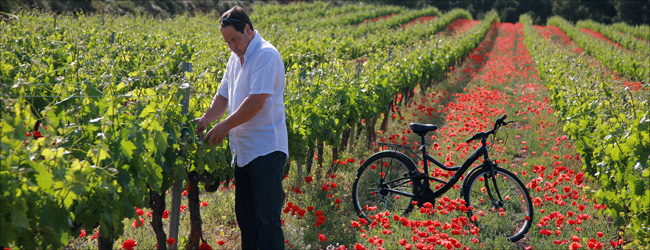
In addition to the traditional Crianza, Reserva or Gran Reserva, wines have been created in La Rioja in recent years that are no longer defined by the time spent in oak barrels but by their style. In the north of Spain, a new type of Rioja is being produced with traditional grape varieties, which is notable for its intense mellow fruitiness.
The pioneers of this new style include the red wines of Osoti. They beguile the drinker with aromas of berries and spices and a silky opulence on the palate. Tempranillo is the dominant grape variety. It forms the backbone of the wines and gives them a broad spectrum of aromas. Garnacha, a well-known and increasingly popular variety, is the perfect complement. And slightly in the background, there is Graciano. This well-defined, deep-red variety, rich in tannins, is often used for rounding off the wines. The wines get the finishing touches in a maturation phase in barriques, most of which are made of French Allier oak and American oak.
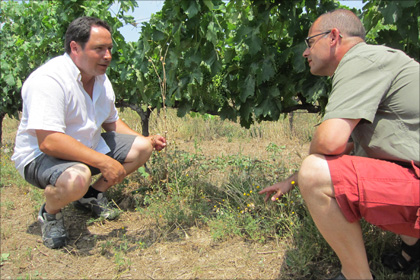
The fact that more consideration is again given to the Garnacha is down to the sunny climate of the Rioja Baja. Here, in the area of influence of the most important river, the Ebro, winemaker Francisco Ruiz Gutiérrez has planted a few new plots with Garnacha tinta.
The bodega’s vineyards are in hilly locations around the small wine-producing town of Aldeanueva de Ebro. The terroir is comprised of loamy soils with a high proportion of chalk as well as rocky strata. While many winegrowers in the Rioja region push the permitted maximum quantities to the limit, Francisco goes for lower yield and more quality.
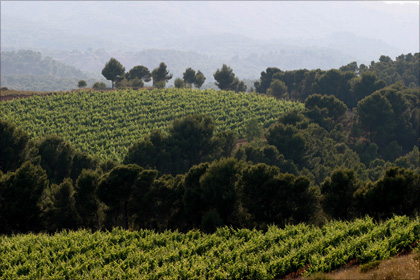
Biodiversity in the vineyards is of particular concern to him. Long before the international year of biodiversity was announced, Francisco was planting aromatic herbs and shrubs between his vines. For years, he has permitted spontaneous vegetation to optimise their growth. His latest project: He is starting to reforest some barren areas around his plots together with a tree nursery.
In themselves and viewed from outside, these measures may seem insignificant. Overall, however, these are important steps with the aim of achieving balanced and sustainable viticulture. Francisco is convinced that the wines also benefit from it.